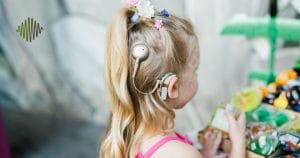


Outdoor activities, such as kayaking and camping, help HOH children gain confidence, connect with their peers, and thrive in quiet, inclusive spaces.
Nature Builds Confidence Without the Noise
Spending time in nature is more than just fun – it’s essential. Studies show (source: https://www.apa.org/) that regular exposure to green spaces can improve mood, reduce anxiety, and enhance attention spans in children. For children who are hard of hearing (HOH), these benefits are even more valuable in helping them feel calm, focused, and open to social connection. Outdoor adventures offer something that classrooms and therapy settings often can’t: a level playing field. Whether it’s kayaking down a calm river or setting up a tent with friends, nature provides powerful moments for growth and connection.
As a longtime volunteer at HOHYPF and someone who has led many outdoor programs, I’ve seen firsthand how time in nature helps HOH kids discover independence, build confidence, and feel included, on their terms.
Why Outdoor Settings Work So Well for HOH Youth
1. Quiet Spaces Ease Noise Anxiety
Many traditional environments are filled with background noise, including fans, buzzing lights, and crowded hallways. For children with hearing difficulties, these constant sounds can create stress and make it difficult for them to concentrate. One parent once shared how their child came home from school exhausted, not from learning, but from trying to filter out distractions all day. These sensory overloads can lead to withdrawal, frustration, or even behavioral challenges. Even with hearing aids or cochlear implants, the sound clutter can be overwhelming.
Outdoors, the volume naturally lowers. A walk through the woods, the gentle splash of a paddle in water, or the crackling of a campfire – all create a peaceful setting that allows HOH kids to focus without distraction. It gives their ears and minds a much-needed break.
“We noticed one child who always withdrew indoors suddenly become engaged while we were by the lake. The quiet, open space seemed to unlock a calmer version of him.”
2. Activities Encourage Teamwork – Naturally
You don’t need a team speech to make a team. In nature, tasks such as building a fire, rowing a canoe, or cooking lunch together require genuine collaboration.
These shared activities create natural opportunities for HOH kids to:
- Take the lead without being singled out
- Use non-verbal communication like gestures or visual cues
- Connect through shared goals instead of forced small talk
When everyone is working toward the same goal, like setting up camp or launching a canoe, no one feels left behind. This is what true inclusion looks like.
3. Real Stories: From Hesitant to Hero
At one of our recent camping weekends, a 12-year-old named Leo arrived shy and unsure. The trip was designed with accessibility in mind – from visual orientation guides and labeled camp maps to paired team activities that didn’t require spoken instructions. Every task, from pitching tents to packing gear, was structured for success through visuals and demonstration. This setup gave Leo the confidence to observe at first quietly, then step into action when he was ready.
He barely spoke at meals and kept to himself. But during a group kayaking trip, everything shifted. The guide used visual cues, and Leo was paired with a patient and a supportive volunteer. Halfway down the river, Leo took over paddling – and by the time we reached shore, he was leading conversations, helping others with gear, and offering snacks to new friends.
“You could see it in his eyes—something changed. He saw himself as capable, maybe for the first time.”
That’s the power of one outdoor experience.
How You Can Support These Moments
Parents, teachers, and volunteers don’t need to be wilderness experts to make this work. Simple, beginner-friendly outdoor activities can make a big difference. Activities like nature walks, group scavenger hunts, rock painting in the park, or planting a community garden provide HOH kids with an opportunity to engage without pressure.
Here are easy ways to support outdoor learning for HOH kids:
- Choose parks over malls: Nature provides space and quiet.
- Plan low-pressure outings: Let kids explore at their own pace.
- Use visuals: Maps, gesture-based communication, and photos are highly effective.
- Be present, not pushy: Let kids lead when they’re ready.
Even just a few hours outside can reduce stress, improve focus, and spark confidence.
Outside, Everyone Belongs
Outdoor experiences remind us of something simple and powerful – and stories like Leo’s show us why it matters:
- You don’t need to hear everything to feel connected.
- You don’t need to talk to be understood.
- And you don’t need to be perfect to belong.
If you’re raising or supporting a hard-of-hearing child, don’t underestimate the value of calm, quiet, and shared adventures. These experiences can unlock confidence that no test score or classroom achievement could ever match.
Let’s keep opening these doors – and trails – for every HOH child.